


Longtime listeners know how focused I am on the new world of work. This week has been good for thinking related to the topic, and there is a lot I wanted to share.
PeopleAsset’s latest report confirms what we would have suspected. Employee engagement and retention has emerged as the worst-hit aspect of organizations in the technology sector.
88.9% of leaders agreed that COVID-19 has had a profound impact on their organizations, with the same number observing that employee engagement and retention were the hardest hit.
Insider covered disruption of Dropbox’s culture due to remote work – highlighting the onsite perks, such as it’s famous cafeteria, as a blow to culture when the company shifted to virtual first, electing to change the offices into WeWork style co-working. Quoting the piece, “Altogether, the former employees said, the closing of the Tuck Shop was emblematic of a radical change to Dropbox’s culture. Casual office get-togethers in the arcade or karaoke room became things of the past, undermining the openness and social connections that made Dropbox employees want to stick around. “
Of course, it could just be there’s simply too much work. Recode looks here, considering that the noise about employer’s concerns with remote work may all be baseless, and that the reason employees talk to one another less is there is simply more to do and not enough time. Observed data from both Microsoft and employee engagement platform Time is Ltd. has found that workers are communicating with fewer people at work outside their direct teams.
Because while workers have gotten more time back via work from home, a survey conduced by economists at Stanford, say while half goes to more recreational time, the other half is going to work. they found workers saved about 60 minutes a day from not commuting, and 10 minutes from skipping daily grooming tasks like showering, shaving, putting on clean clothes, or putting on makeup. the survey shows twice as many employees opting for hybrid working situations compared to those who are fully remote.
Even physical jobs are going remote. Wired look at physical jobs, such as forklift driving, that is going remote. Augmented by AI, Phantom Auto allows remote driving from anywhere, from self-driving cars to delivery robots.
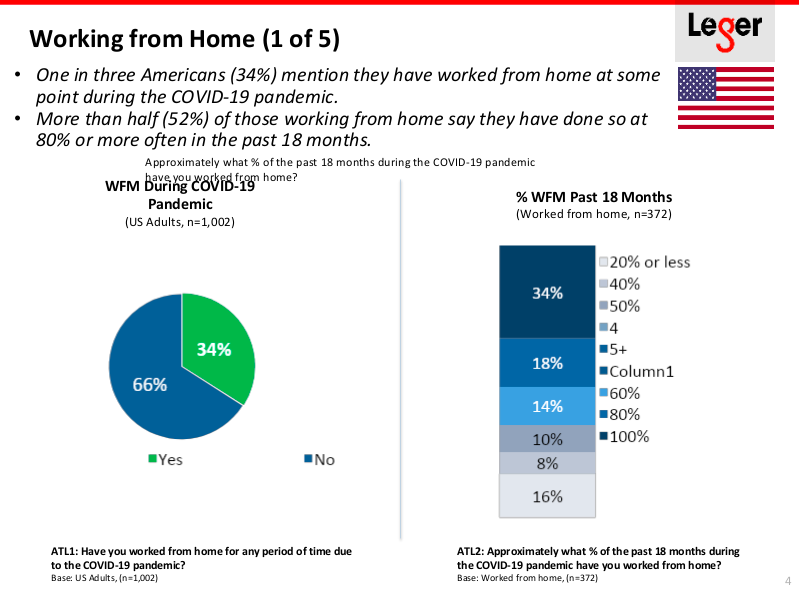
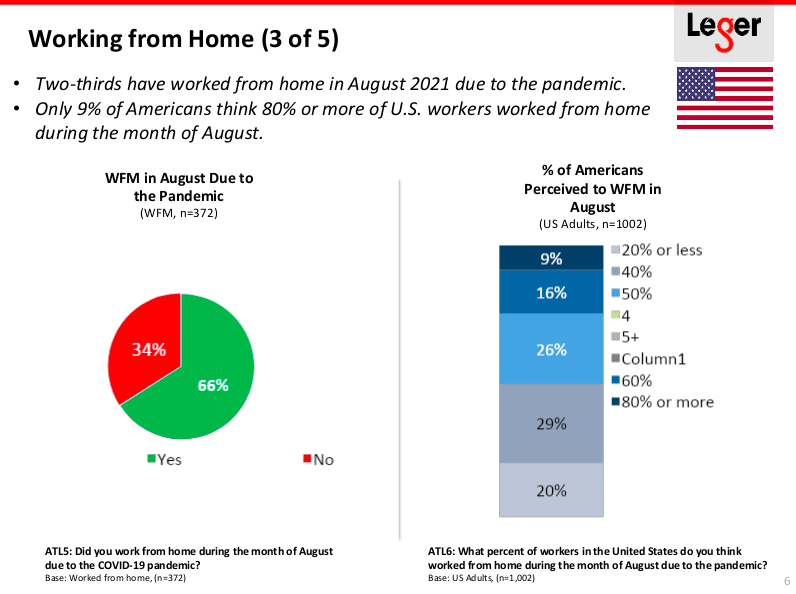
And one more I didn’t want to miss – spotted in a piece about confirmation bias about remote work in the Atlantic. Quote: Seventy-three percent of survey respondents who had teleworked because of the pandemic guessed that at least half of American employees had done the same. But the actual number of people who worked remotely because of COVID-19 was, at its highest point, roughly35 percent, way back in May 2020. Let’s skip ahead to last month: About 90 percent of surveyed respondents who worked from home in August because of the pandemic guessed that at least 40 percent of American workers did too. In reality, only 13.4 percent worked from home in the final month of summer.
A ton to unpack here.
I’ll start with the last data point – the broad swath of Americans are not working from home, and while we’re having this discussion, it applies to a specific portion of the overall workforce. That’s important to note.
So within that subset, workers are getting their time back, but also contending with too much work, and without cohesive effort into culture building, are losing that connection to the organization.
My top focus here remains on culture – Dropbox is a great example. Within the disruption, did leadership focus on investing in the new culture, or simply assume the old would transfer over? The data confirms what we assumed – engagement and retention is down, and there’s certainly reason to believe there is more work being put on employees.
No wonder there’s a lot to consider in a disruption.
In the confusion I continue to believe there is opportunity – both in getting it right internally, and then helping others figure out what works for their organization, because one size certainly does not fit all.